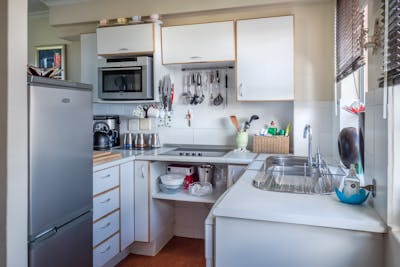
Anyone who has lived through a Glendale summer knows that triple-digit heat is not unusual. When temperatures climb into the high 90s and above — especially in neighborhoods like Verdugo Woodlands, Sparr Heights, and the hillside areas — your household appliances are under serious strain. A little preparation before the heat arrives goes a long way toward preventing breakdowns when you need your appliances most.
Your Refrigerator Works Hardest in Summer
Your refrigerator has to maintain a consistent internal temperature regardless of what is happening outside. When your kitchen heats up in the summer, the compressor runs longer and harder to compensate. Here is how to give it the best chance of keeping up.
Clean the Condenser Coils
Dust, pet hair, and kitchen grease accumulate on the condenser coils over time. Dirty coils force the compressor to work significantly harder, which raises your energy bill and shortens the compressor’s life. Pull the fridge away from the wall and vacuum the coils on the back or bottom of the unit. Do this before summer starts and again halfway through the season.
Check the Door Seals
A worn or damaged door gasket lets cold air escape and warm air in, forcing the compressor into overtime. Close the door on a dollar bill — if it slides out easily, the seal is not tight enough. Replacing a door gasket is a quick, affordable repair that can prevent much bigger problems down the road. Visit our refrigerator repair page if your seals need attention.
Give It Room to Breathe
Make sure there is adequate clearance around your refrigerator. It needs space on all sides — especially the back — to dissipate heat from the condenser. Pushing it tight against a wall or boxing it in with cabinets restricts airflow and makes the compressor work harder.
Adjust the Temperature Setting
During summer, you may need to lower the thermostat setting by a degree or two to maintain the right internal temperature. The USDA recommends keeping your fridge at or below 40 degrees Fahrenheit and your freezer at 0 degrees. Use an appliance thermometer to verify, since the built-in dial is not always accurate.
Dishwasher Maintenance Before the Heat
Your dishwasher may not seem like a summer-sensitive appliance, but Glendale’s hard water and higher temperatures create conditions that accelerate mineral buildup and wear.
Clean the Filter and Spray Arms
Most modern dishwashers have a removable filter at the bottom of the tub. Pull it out, rinse it under running water, and scrub off any food residue with a soft brush. While you are at it, check the spray arms for clogged holes — a toothpick works well for clearing mineral deposits.
Run a Cleaning Cycle
Place a cup of white vinegar on the top rack and run an empty hot-water cycle. This dissolves grease and mineral buildup inside the tub, hoses, and pump. Do this once a month during summer when you are running the dishwasher more frequently. For persistent issues, check out our dishwasher repair services.
Inspect the Door Gasket
Just like your refrigerator, your dishwasher relies on a rubber gasket to create a watertight seal. Wipe it down with a damp cloth to remove food particles and check for cracks or warping. A leaking dishwasher gasket can cause water damage to your kitchen floor and cabinetry.
Washer and Dryer Summer Prep
Summer in Glendale means more outdoor activity, more laundry, and heavier use of your washer and dryer.
Check Washer Hoses
Rubber supply hoses become more prone to failure in high heat. Inspect them for bulges, cracks, or stiffness. If they are older than five years, replace them with braided stainless steel hoses before summer puts them under additional stress.
Clean the Dryer Vent
A clogged dryer vent is dangerous year-round, but summer heat increases the fire risk. Have the full vent line — from the dryer to the exterior wall — professionally cleaned before the season starts. If your dryer is taking longer than usual to dry a load, that is a warning sign. Our dryer repair team can inspect and clean the vent system.
Move Your Dryer Away From Direct Sunlight
If your laundry area receives direct afternoon sun through a window, the additional heat makes your dryer less efficient and puts extra stress on its components. Close blinds or curtains during peak sun hours to keep the ambient temperature down.
General Tips for All Appliances
Watch Your Energy Bills
A sudden spike in your electricity bill during summer often points to an appliance that is struggling. If your bill jumps beyond what you would expect from increased AC use, one of your major appliances may need service.
Do Not Delay Repairs
A small problem in spring becomes a breakdown in July. If you have noticed anything unusual — a strange noise, a slow leak, longer cycle times — get it looked at before summer demand pushes the appliance past its limit. Repair schedules fill up fast during peak summer months in Glendale, so booking early gives you more flexibility.
Schedule a Pre-Summer Checkup
The most effective thing you can do is have a professional inspect your major appliances before the heat arrives. A trained technician can spot worn parts, marginal components, and developing problems that you might not notice on your own.
Get Ahead of the Heat
Glendale summers are predictable — the heat is coming. What is not predictable is which appliance will give out first if you skip the maintenance. A few hours of prep now can save you days without a working refrigerator, washer, or dishwasher when temperatures are at their worst.
Glendale Appliance Repair Now serves homeowners throughout Glendale, Burbank, Pasadena, Eagle Rock, and the surrounding communities. Call (818) 322-4652 to schedule a pre-summer maintenance visit or repair appointment.